
UGA SkIO lab member Aiden Gray wins Goldwater Scholarship

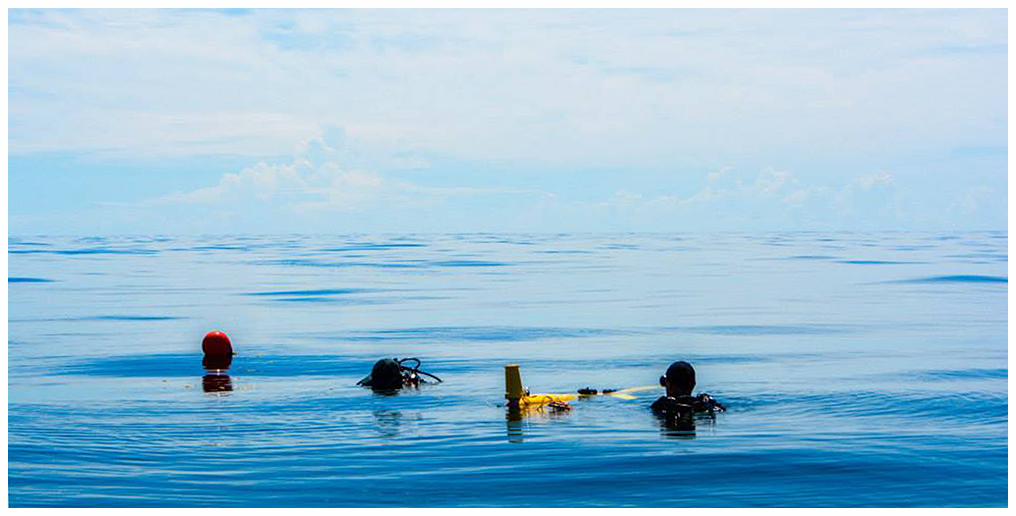
Aiden Gray has won a prestigious Goldwater Scholarship for the 2026-2027 year. Gray is a current part-time glider technician and former intern in University of Georgia Skidaway Institute of Oceanography (SkIO) faculty member Catherine Edwards’ lab.
The scholarship, awarded by the Barry Goldwater Scholarship and Excellence in Education Foundation, is considered one of the most prestigious national undergraduate awards in the United States for students in science, technology, engineering and mathematics (STEM) fields. It is awarded annually to students who aspire to be the nation’s next generation of researchers in STEM.
Read moreOpen Ship Night — April 21
Now Recruiting: Director
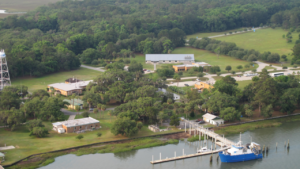
The University of Georgia Skidaway Institute of Oceanography is now recruiting for its next Director. Learn more and apply through the link below.
About the Skidaway Institute of Oceanography